Influencer marketing has become one of those terms that everyone throws around but very few people understand well enough to use properly.
Most brands approach it like a transaction. Find someone with a good following, send them the product, get a post. Done. And then they wonder why nothing really moved. Why no real enquiries, no spike in sales, just a post that got some likes and quietly disappeared.
The problem isn’t influencer marketing. The problem is the way brands choose who to work with. Because this was never about follower counts. It was always about fit.
Let’s Redefine the Conversation
The industry loves putting influencers into neat little boxes usually based on numbers. But numbers alone have never told the full story.
What separates one influencer from another isn’t how many people follow them. It’s where they are in their journey, how clearly, they speak to a specific kind of person, and whether the audience they have built is the audience a brand needs to reach.
That’s the lens we use at Flyingbees. And it changes everything about how influencer strategy is built.
Nano Influencers — Not the Biggest Voice, But Often the Most Believed
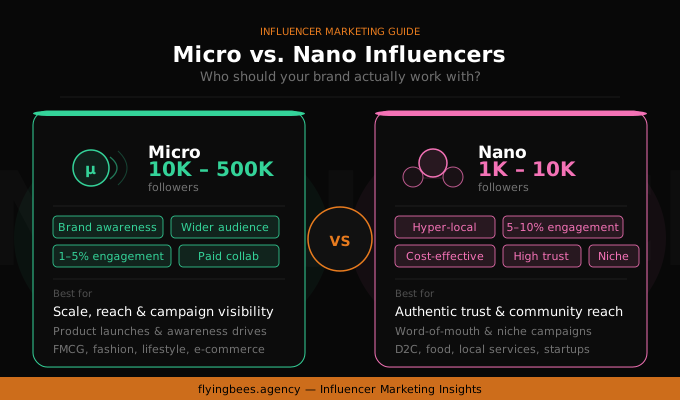
A nano influencer is still in the early stages of building their presence. They are creating content around something they genuinely care about, but they have not yet settled into a clearly defined niche with an established, loyal following.
What they do have, though, is something brands often underestimate: closeness.
Their audience is small, but it’s made up of people who know them or feel like they do. The engagement is personal. Comments are real conversations. Recommendations feel like they are coming from a friend, not a content creator with a media kit.
For certain brands, that closeness is exactly what they need.
When does a nano influencer make sense for a brand?
If you are a startup or a brand that has just entered the market, a nano influencer can be your best first move. It is because along with selling a product, you are building awareness and trust from scratch. A nano influencer’s audience is receptive, personal, and willing to try something new if someone they trust says it’s worth it.
Also, if your product is hyperlocal — a bakery, a boutique, a service that works within a specific city or community — nano influencers who exist within that same space will reach the exact people you need, in a way that feels completely organic.
The key is relevance. Even at this stage of their journey, the influencer’s content and daily life should naturally overlap with what your brand offers.
The Right Fit Will Always Beat the Biggest Name
Audiences today are not easy to fool. They know when something is genuine and they know when a brand just handed someone a cheque for a post. What they respond to — what actually makes them stop, pay attention, and consider buying — is when a recommendation comes from someone whose world they already trust.
That’s what influencer marketing, done right, can deliver. Not just eyeballs. Connection.
At Flyingbees, this is how we think about every influencer conversation we have on behalf of our clients. Not with a list of accounts sorted by size, but with a genuine understanding of the brand, its audience, and whose voice will carry its story most naturally.
Because the right influencer — wherever they are in their journey — can do something no paid ad ever will. They can make your brand feel like someone’s honest, unprompted recommendation.
And in today’s world, that’s everything.